
From Stories to a Hub: The Development of the Cartoon Creation Centre
A case study of analogy-based stories, cartoons and collaborative pedagogical design
The Cartoon Creation Centre (CCC) addresses a practical skills gap: many educators value stories, analogies and visuals, but need structured support to turn difficult concepts into learner-friendly, co-created teaching resources.
Identifying the gap
Analogy-based stories and cartoons as teaching materials
Preparing appropriate teaching materials is one of the most essential components of effective teaching and successful class delivery. There are various ways of sourcing materials, including using already prepared resources, creating individual materials, and co-creating materials with others. One of the most effective approaches is to co-create teaching materials in collaboration with colleagues. Furthermore, including students in this co-creation process can significantly improve the quality of the work and have a positive impact on the successful delivery of classes. This approach enables educators to better understand the characteristics, needs, and learning preferences of their students, and to prepare more appropriate materials accordingly.
Considering that learners engage with knowledge in different ways, visual materials can play an important role in enhancing the learning experience. In this context, the use of analogy-based stories and cartoons is particularly valuable, as they are designed to simplify complex topics and enable students to understand them more easily by creating clear connections through similarities.
Storytelling and visual approaches are increasingly recognised as effective strategies for enhancing engagement and supporting the understanding of complex concepts in higher education (Dahlstrom, 2014; Mayer, 2020; for Economics examples see Demirbas 2024a, Demirbas 2024b). These innovative, student-centred approaches allow tutors to enhance knowledge transfer and improve the learner experience.
The story behind the Cartoon Creation Centre
Based on the findings and experience of an initial cartoon project funded by the University of Lincoln and led by Erkan Demirbas, this work was later developed into the Cartoon Creation Centre. The Centre co-creates analogy-based stories and cartoons with educators from economics and other disciplines.
With this initial motivation, Demirbas organised and led three workshops in late 2024, where the internally funded cartoon project was presented with the core team to academics across the globe. During these workshops, he also demonstrated the method he developed to create analogy-based stories and shared his own experience of story construction.
Following this, he invited participants to establish a hub. Academics and students from diverse disciplines across the world responded positively. Their voluntary participation was particularly motivated by a desire to improve their skills, learn how to create their own materials, contribute to the co-creation of teaching resources across different subjects, and be part of a unique, innovative, and creative hub. As a consequence, Demirbas established the Cartoon Creation Centre in early 2025 with a group of academics and students. Within less than a year, membership grew to 35 individuals from 18 universities in the UK and internationally.
Needs Analysis
As the network expanded globally, it became essential to formally understand the pedagogical gaps our members and wider audiences were facing. A needs analysis was conducted using a sample of 332 responses gathered across three CCC workshops in 2025. Participants represented a diverse range of roles across higher education and related sectors including lecturers, senior lecturers, associate professors, PhD students, learning designers, and administrative staff. Disciplines represented included economics, finance, marketing, neuroscience, chemical engineering, computing, and design, reflecting the broad cross-disciplinary reach of the CCC.
The workshops attracted staff from over 200 organisations, including universities in the UK and other countries including Albania, Nigeria, Australia, India, Colombia, and the USA. The surveys explored participants’ prior use of stories, cartoons, and images in teaching; their experience in creating educational visuals; and their motivations and learning goals for attending the workshops.
However, despite growing recognition of these methods, our data indicates that familiarity with story-based and visual pedagogy has not yet translated into practical capability. This gap provides the rationale for the CCC workshops, which aim to build hands-on skills in analogy-based storytelling and cartoon creation.
Existing Experience and Skill Level
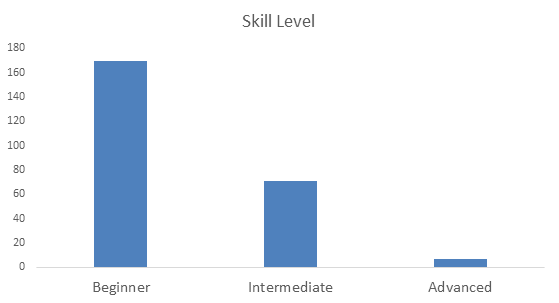
Pre-workshop survey findings showed that while many participants had some prior exposure to stories, analogies, or visual materials in their teaching (Figure 1), practical experience remained limited. Experience in creating educational visuals was particularly low, with 69% of those who rated their experience identifying themselves as beginners (Figure 2). Furthermore, although 58% reported using stories or cartoons in their teaching, only 36% had ever created their own materials. Overall, these results suggest that although awareness of story-based and visual approaches is relatively widespread, translating that awareness into hands-on practice remains a challenge.
Figure 1: Prior exposure to stories or cartoons in teaching
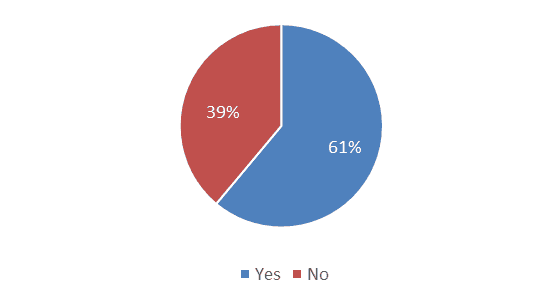
Figure 2: Self-rated confidence in analogy-based teaching
Motivations and Desired Learning Outcomes
Participants’ motivations for attending were primarily associated with professional growth and teaching practice, while desired learning outcomes focused more strongly on crafting stories and analogies, followed by enhancing student engagement (Figure 3). Analysis of open-text responses reinforced this pattern, with participants frequently referring to creating their own story-based teaching materials and cartoons and increasing student engagement through more accessible and visual approaches. This was perhaps best captured by one respondent who noted that they had “achieved accidental success with funny stories/images but wanted to learn how to plan and incorporate this into other sessions.”
Figure 3: Motivations for attending vs Learning goals 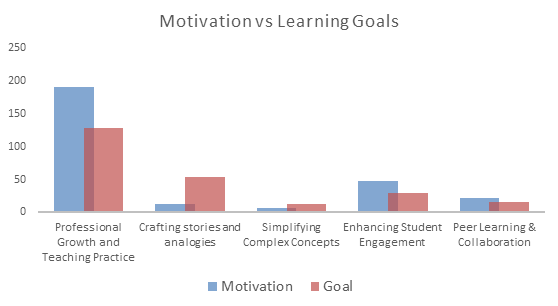
Identified Pedagogical Needs
Across the five identified needs — Professional Growth and Teaching Practice, Crafting Stories and Analogies, Simplifying Complex Concepts, Enhancing Student Engagement, and Peer Learning and Collaboration — the analysis highlighted a consistent pattern: many educators had prior exposure to storytelling and visual approaches, but far fewer felt confident in applying analogy-based methods in practice.
This disconnect between prior exposure and confidence, combined with strong demand for practical and creative pedagogical skills, reinforced the need for structured, hands-on support in analogy-based storytelling and cartoon creation. This aligns with established evidence that narratives and visuals can support comprehension and engagement (Dahlstrom, 2014; Mayer, 2020). The needs analysis therefore provided the pedagogical rationale for the CCC workshops and associated activities, which aimed to support educators in developing practical, visual, and analogy-driven teaching approaches across disciplines.
↑ TopResponding to the Gap: Activities, Engagement, and Outputs
The CCC brings together academics, students, illustrators, and professional staff from different institutions and disciplines to co-create analogy-based stories, cartoons, and animations that make complex academic concepts more accessible. Its activities include public engagement, collaborative cartoon development, brainstorming sessions, workshops, scholarly outputs, and grant applications.
Cartoon Creation Workshops
CCC members, including students, collaborated to create two cartoons related to economic subject areas.
Brainstorming Activities
Cross-institutional, multidisciplinary collaboration is encouraged through monthly development meetings and collaborative workshops. The first Cross-Disciplinary Cartoon Analogy Brainstorming Session took place in February 2026. During this session, Dr Bee-Yen Toh explained the design process behind a cartoon she created. Another brainstorming session followed in the same month, presented by Dr Naznin Tabassum (University of Derby). Members of the CCC network, including volunteer illustrators, offered constructive feedback on analogies, speech bubbles, and visual flow.
The most recent brainstorming activity in March 2026 Dr Esha Barlaskar (Queen’s University Belfast) presented a draft AI-generated story that explained computing concepts through a warehouse-style workflow model. CCC members provided constructive feedback on the analogy, storyline and visual sequence, helping to refine the cartoon before finalisation by illustrators.
Workshops
Workshops represent another initiative of the CCC network, enabling colleagues from different institutions to learn from one another. The first workshop, Bringing Concepts to Life: Using Analogy-Based Stories and Cartoons in Teaching, took place in May 2025 and was led by Dr Demirbas, Dr Bee-Yen Toh, and Beckie Midgley. It introduced the CCC to attendees from disciplines such as Business, Social Sciences, Education, Economics, Health Sciences, and Computer Science. Participant satisfaction was reflected in an overall score of 8.7 out of 10.
Two additional workshops have since been delivered in December 2025 by Dr Bola, Dr Peggy, Dr Nishani, and Dr Erkan to introduce Constructed Analogy Based Pedagogy (CABP), a structured method developed and used by Demirbas to create analogy-based stories and cartoons. CABP is informed by research on analogical reasoning, particularly the idea that effective analogies depend on mapping meaningful relationships between a familiar source domain and a less familiar or abstract target concept, rather than relying only on surface similarities (Gentner, 1983; Holyoak & Thagard, 1995). In teaching, analogies are often used informally, but without a clear process they may remain underdeveloped or may not fully align with the concept being taught. CABP was developed to address this gap by offering a repeatable pedagogical process for designing, checking and refining analogy-based teaching materials. It also provides educators with a clear pattern for creating their own analogy-based stories for abstract, technical or even simple concepts, rather than relying only on existing examples or informal approaches.
Importantly, CABP also encourages educators to consider the characteristics, needs and learning preferences of their students, so that bespoke teaching materials, especially analogy-based stories and cartoons, can be created for specific learner groups and teaching contexts. In the workshops, this was translated into a practical sequence: identifying the theory or concept, abstracting its key features, selecting a suitable analogy, developing it into a story, and checking whether the analogy accurately represents the original idea.
Survey evidence from these December 2025 workshops indicates that participants reported improvements in knowledge and practical skills, and 80% agreed that they felt confident and were likely to develop their own stories for teaching. The workshops therefore moved beyond showcasing completed cartoons and gave participants a repeatable process for creating their own teaching materials.
↑ TopPost-survey Analysis and Activity Impact
The post-workshop evidence indicates that the Cartoon Creation Centre (CCC) is generating impact beyond positive satisfaction ratings. Read alongside the needs analysis and activities described above, the May 2025 and December 2025 workshop surveys show a clear progression: from awareness of analogy-based storytelling, to confidence in applying it, and then to collaborative co-creation of new teaching resources. This section explores how the CCC model supports educators in moving from interest to practical pedagogical design.
From Awareness to Educator Capability
The May 2025 workshop, Bringing Concepts to Life, attracted 33 participants and generated 16 survey responses. Respondents rated the workshop content at 8.87/10 and their post-workshop understanding at 8.13/10. In addition, 13 out of 14 respondents agreed or strongly agreed that the workshop improved their understanding of how complex concepts can be taught through analogy, and the same number reported at least some confidence in applying the approach.
The December 2025 workshops built on this foundation by introducing the CABP process to move participants from appreciation of completed cartoons towards guided construction of their own analogy-based stories. The emphasis shifted from showcasing examples to helping participants practise the stages of theory, abstraction, analogy, story, and verification.
Figure 4: Evidence of educator-facing impact across CCC workshops.
(Ratings are normalised to 100 where appropriate; percentages use valid responses for each item.) Click for large version.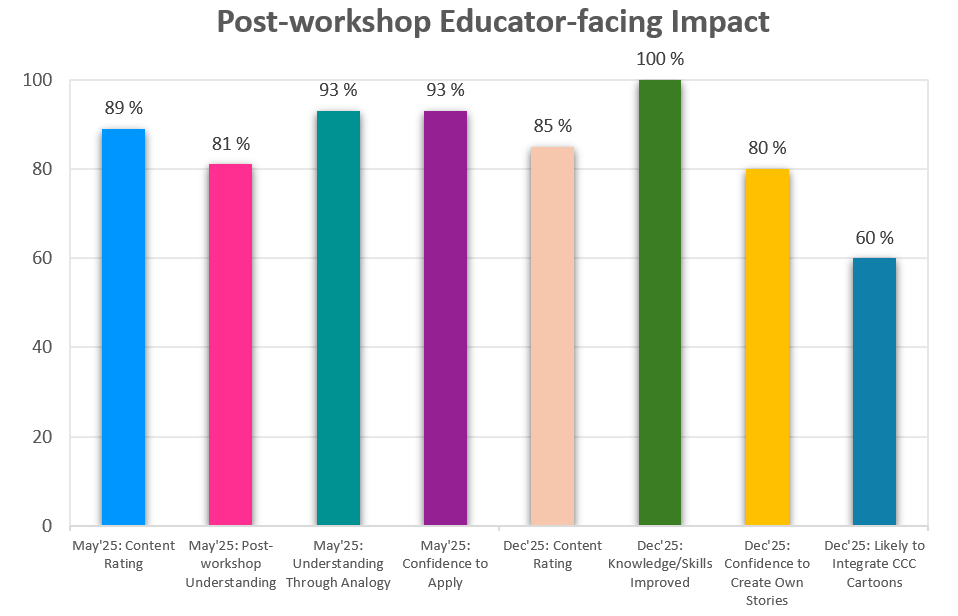
Perceived Pedagogical Value of Analogy-based Stories
The December survey responses provide insight into why participants perceived value in the approach. The most frequently identified anticipated benefits were improved student engagement, better understanding of complex concepts, and enhanced classroom interaction. These outcomes align closely with the CCC premise that analogy-based cartoons bridge abstract disciplinary knowledge with familiar, everyday experiences.
Figure 5: Anticipated pedagogical benefits of analogy-based stories, December 2025.
(Respondents could select more than one option, so values are reported as counts rather than percentages.) Click for large version.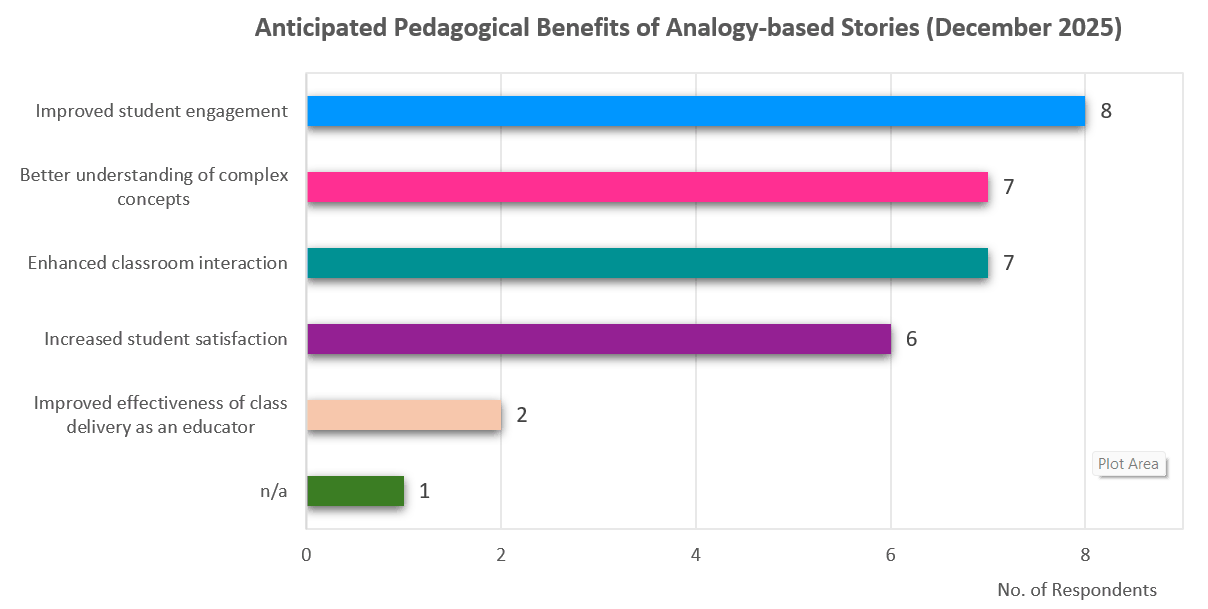
Qualitative feedback reinforces this interpretation. Participants highlighted how breaking down concepts helped them translate abstract theories into clear stories and visual representations that could support student understanding. One participant summarised the process as "Theory, Abstraction, Analogy, Story". This combination of improved understanding and insight into the process suggests that participants are developing the capability to adapt the method within their own disciplines.
From Workshops to Co-creation
A key extension of the workshops is the development of collaborative brainstorming activities, which provide a mechanism for translating learning into practice. As detailed in the activities section above, participants actively used the CCC process to test and refine ideas across disciplinary boundaries.
The subsequent peer-review session on The Great Data Warehouse, a warehouse-style workflow model for explaining computing concepts, further demonstrated the CCC’s role as a quality-improvement loop, with participants aligning the story structure with the underlying technical concepts. These activities show that the CCC is functioning as an active community of practice: participants bring difficult disciplinary concepts, test and refine analogies through peer discussion, and leave with more developed teaching artefacts.
Overall Impact and Next Steps
The available evidence should be interpreted with appropriate caution, as survey samples are relatively small and primarily capture educator perceptions rather than direct measures of student learning. However, the educator-facing workshop evidence indicates that CABP supported participants’ knowledge, practical skills and confidence in developing their own analogy-based stories for teaching. This complements student-facing evidence from Demirbas et al. (2026), which provides evidence that analogy-based cartoons can improve student performance in economics education. Taken together, these findings suggest that the CABP approach supports impact at two connected levels: it helps educators develop analogy-based teaching materials and supports student performance through the use of analogy-based cartoons.
The CCC workshops establish a credible pathway from professional learning to pedagogical innovation. The next stage of evaluation should focus on student-facing evidence, including classroom implementation, short pre/post measures of understanding, and student feedback on whether analogy-based cartoons support learning of threshold concepts. In summary, the CCC offers a scalable and transferable model for helping educators move from a difficult concept, to a learner-friendly analogy, to a visual resource that can be shared, critiqued, and improved.
Reflections
The reflections below illustrate how participation in the CCC has influenced members’ own teaching design, confidence and collaboration.
Dr Abimbola Thompson (Economics, Lincoln Bishop University)
"My involvement in the CCC network has strengthened my use of analogy-based teaching by giving me a clearer structure for constructing stories from abstract macroeconomic concepts. Through the Analogy Construction workshop, I collaborated with colleagues from other disciplines and gained new perspectives on how connecting abstract ideas to concrete examples can support conceptual understanding. Using the CCC Analogy Construction process, students and I co-created a train-and-station narrative inspired by the London Underground Circle Line. Together, we used passenger groups to represent the components of Aggregate Demand, the train’s circular route to illustrate the circular flow of income, and changes in the train’s speed or stops to explain movements in the business cycle. This structured, co-created approach has improved student engagement and understanding and made complex macroeconomic models more accessible."
Dr Peggy Alexopoulou (International Business, Strategy and Innovation, Loughborough University)
"The workshop was well-structured and provided an excellent platform for discussion. I particularly appreciated the interactive elements and the way the sessions encouraged participant engagement. The workshop not only benefited the participants but also supported my own development in constructing analogy-based stories. I now have a clearer understanding of the different steps involved and feel more confident in applying them. Our pre-training meetings were extremely useful; thank you again for organising them. They helped me familiarise myself with the content and the structure of the delivery. For example, although I was initially prepared to deliver phases 2 and 3, due to time constraints I ended up delivering phases 3 and 4. I felt confident doing so because, during the pre-training meetings, Erkan explained the content of all the slides thoroughly. I would be very happy to continue contributing in any way in the future, such as workshops or similar initiatives."
Dr Bee-Yen Toh (Computer Science, Electronics & Electrical Engineering, Queen’s University Belfast)
↑ Top"Being involved in the Cartoon Creation Centre (CCC) has been both enjoyable and professionally enriching. Through this work, I have contributed to the development of cartoon analogy brainstorming initiatives, and it has been rewarding to encourage colleagues to explore teaching with analogy and visual storytelling in their own disciplines. Another rewarding contribution was providing feedback on the ‘Bee Story’ during the February 2026 brainstorming session, where a colleague was exploring ways to teach the Psychological Contract in HR. Overall, the CCC has strengthened my belief in the value of creativity, analogy, and collaboration in making complex ideas more accessible and engaging."
Conclusion
The Centre has brought together more than 30 academics and students from different institutions across the globe, including lecturers, senior lecturers, readers, and distinguished professors. This is particularly significant because the CCC is not funded by any organisation and is not formally affiliated with any higher education institution. Members contribute to the project on a voluntary basis, demonstrating their commitment to collaborative pedagogical innovation.
This makes the initiative especially important, as it has created an environment where students and educators can work together to co-create teaching materials. Its value is not limited to students; it also supports educators in preparing effective resources and delivering their classes more successfully. In this sense, the CCC operates as a learning environment for educators, where members develop their skills through hands-on experience, peer exchange, and collaborative practice.
The CCC therefore demonstrates a model of collaboration that benefits both learners and educators. As a pilot initiative, this network could also be followed by other disciplines seeking to establish their own theme-based or module-based networks. Such networks could enable academics and students to collaboratively create discipline-specific teaching materials at regional, national, or global levels.
↑ TopFurther information
- Cartoon Creation Centre blog
- Podcast interview with four members of the CCC, hosted by Karishma Patel (Aston University) on the Economics, Finance and Entrepreneurship podcast
- See the peer reviewed paper, "Digital storytelling in economics education" (Demirbas et al. 2026).
- A book chapter on storytelling and cartoon-based approaches to teaching Economics and Statistics is forthcoming in Doing Pedagogy Creatively (Springer, late 2026). Details will be linked here once it is published.
References
Dahlstrom, M. F. (2014). Using narratives and storytelling to communicate science with nonexpert audiences. Proceedings of the National Academy of Sciences, 111 (Supplement 4), 13614-13620. https://doi.org/10.1073/pnas.1320645111
Demirbas, E. (2024a) Storytelling with cartoons in economics and statistics Ideas Bank The Economics Network. https://doi.org/10.53593/n3939a
Demirbas, E. (2024b) Practical Steps to Crafting Engaging Analogy-Based Stories in Economics Ideas Bank The Economics Network. https://doi.org/10.53593/n4175a
Demirbas, E., Gillani, A. A., Isah, A., & Fotou, N. (2026). Digital storytelling in economics education: the use of analogy-based cartoons to improve student performance. Cogent Education, 13(1). https://doi.org/10.1080/2331186X.2026.2680720
Gentner, D. (1983). Structure mapping: A theoretical framework for analogy, Cognitive Science, 7(2), 155-170. https://doi.org/10.1016/S0364-0213(83)80009-3
Holyoak, K. J., & Thagard, P. (1995). Mental Leaps: Analogy in Creative Thought. Cambridge, MA: MIT Press.
Mayer, R. E. (2020). Multimedia learning (3rd ed.). Cambridge University Press.
↑ Top